
 Extreme Right
Gallery
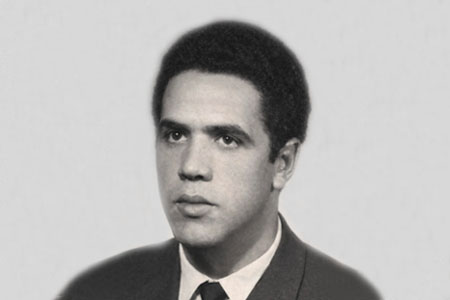
Description
Description
In the early hours of 5 December 1982, Salvador Sampedro de Dios was murdered while working as a taxi driver in Valladolid. He was married and had a young son. His wife remembers that he had spent the evening having dinner with his family and watching a football match with her father before going back out in his taxi. He told her he would be home around one o’clock. It was the last time she saw him.
José Carlos Bravo del Amo and José Carlos Ramos Mateo got into his taxi and asked him to take them towards Salamanca. During the journey, Ramos Mateo stabbed him in the neck. The attackers put Salvador, who was still wounded, in the boot of the car. After stopping to decide what to do with him, they repeatedly ran him over with his own taxi. They abandoned his body near Boecillo, in the province of Valladolid. According to his widow’s account, Salvador had also been stabbed in the chest.
The two attackers drove the taxi to the province of Salamanca, where they stole weapons from the home of a relative of Bravo del Amo. Police linked them to a far-right group known as the Grupos de Acción Nacional Sindicalista 28 de Octubre (GANS), which was planning attacks against authorities in Valladolid, including the mayor and the civil governor. Days later, the same men robbed a petrol station in Herrera de Pisuerga (Palencia) and murdered its employee, Severino García García.
Bravo del Amo and Ramos Mateo turned themselves in at a court in Valladolid in January 1983. In June 1984, they were convicted in Valladolid of two robberies involving homicide and other offences. Spain’s National Court dealt separately with possible offences connected to the far-right group.
Salvador’s murder left his wife and son facing immense grief and financial hardship. His widow says that, after the crime, she and her family endured death threats, threatening phone calls and being followed for years. She moved home and changed her telephone number, but the threats continued. She also recalls feeling unsupported during that period and, according to her account, the painful treatment her family received during the investigation.
In 2026, a government technical commission included Salvador Sampedro de Dios in its list of people who died in a context of political violence between 1978 and 1983. It recommended measures to recognise the victims and provide redress to them and their families.